
At West Cancer Center & Research Institute, our Interventional Radiology Services offer minimally invasive procedures performed on-site for your convenience. Using advanced imaging guidance, our sub-specialized radiologists perform targeted treatments with precision and care. All procedures are conducted by our experienced in-house team, providing expert insights and personalized care every step of the way.
Appointment Information:
To refer a patient or schedule an appointment, please contact our Radiology Department directly using the information below, or call us at 901.609.3556. Our team is ready to assist you with any questions and ensure a seamless scheduling experience.
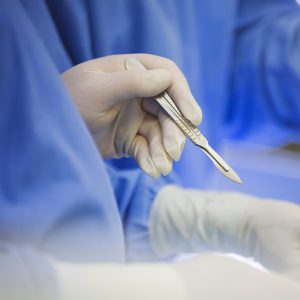
ABSCESS DRAINAGE
HOW IT WORKS: A small tube is placed through the skin into the abscess using imaging guidance to drain infected fluid.
WHAT IT IS USED FOR: To treat infections that form pockets of pus, reducing pain and preventing spread.
WHAT TO EXPECT: You’ll receive local anesthesia; mild soreness afterward is common. The drain may stay in place for a few days.
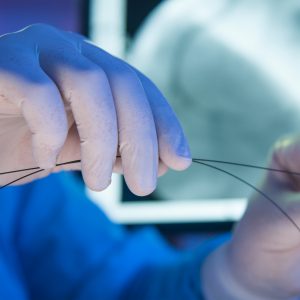
BILIARY INTERVENTIONS
HOW IT WORKS:A catheter or stent is inserted into the bile ducts to relieve blockage using X-ray guidance.
WHAT IT IS USED FOR:To treat bile duct obstructions caused by stones, tumors, or scarring.
WHAT TO EXPECT:Sedation is provided; you may have a drainage bag temporarily. Most patients go home the same day.
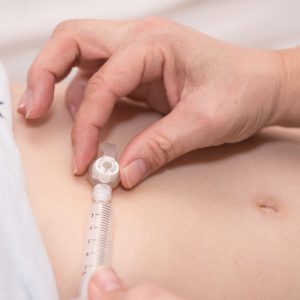
GASTROSTOMY PLACEMENT
HOW IT WORKS: A feeding tube is placed through the abdominal wall into the stomach using imaging guidance.
WHAT IT IS USED FOR: For patients who cannot eat by mouth but need long-term nutrition.
WHAT TO EXPECT: Mild discomfort at the site; tube care instructions will be given before discharge.
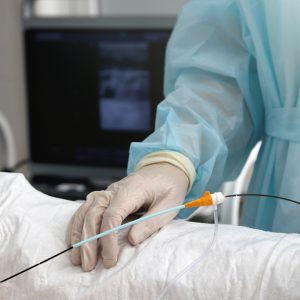
INFERIOR VENA CAVA (IVC) FILTER PLACEMENT
HOW IT WORKS:A small filter is placed in the large vein (IVC) to catch blood clots before they reach the lungs.
WHAT IT IS USED FOR:To prevent pulmonary embolism in patients who cannot take blood thinners.
WHAT TO EXPECT:The procedure is quick with minimal discomfort; most filters can be removed later if needed.
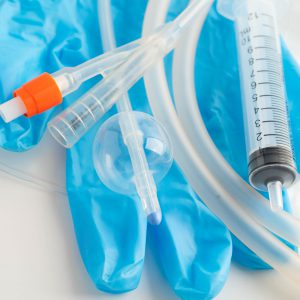
NEPHROSTOMY / KIDNEY INTERVENTION
HOW IT WORKS: A tube is placed into the kidney to drain urine when normal flow is blocked.
WHAT IT IS USED FOR: To treat urinary obstruction from stones, tumors, or injury.
WHAT TO EXPECT: You’ll have a drainage bag; instructions for care will be provided before going home.
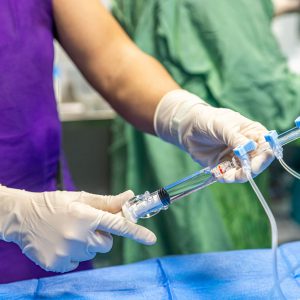
PARACENTESIS / THORACENTESIS
HOW IT WORKS: A needle or catheter removes excess fluid from the abdomen (paracentesis) or chest (thoracentesis).
WHAT IT IS USED FOR: To relieve pressure and improve breathing or comfort caused by fluid buildup.
WHAT TO EXPECT: You’ll feel pressure during fluid removal; relief is usually immediate.
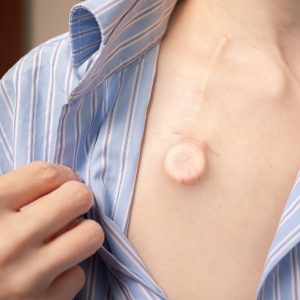
PORT PLACEMENT
HOW IT WORKS: A small device is implanted under the skin and connected to a vein for easy medication access.
WHAT IT IS USED FOR: For patients needing frequent IV treatments like chemotherapy.
WHAT TO EXPECT: Mild soreness for a few days; the port can stay in place for months or years.