
At West Cancer Center & Research Institute, our Interventional Radiology team offers a variety of advanced, minimally invasive treatments designed to target cancer with precision. Using state-of-the-art imaging guidance, our specialists perform these innovative therapies directly to the tumor site — minimizing damage to surrounding tissue and reducing recovery time. Our multidisciplinary approach ensures each patient receives a personalized treatment plan that combines leading-edge technology with compassionate, expert care—all in one location.
Appointment Information:
To refer a patient or schedule an appointment, please contact our Radiology Department directly using the information below, or call us at 901.609.3556. Our team is ready to assist you with any questions and ensure a seamless scheduling experience.
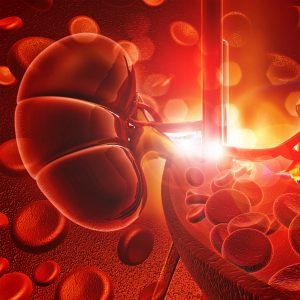
PORTAL VEIN EMBOLIZATION
HOW IT WORKS: PVE blocks blood flow to part of the liver, encouraging the other section to grow before surgery.
WHAT IT IS USED FOR: It prepares the liver for safe removal of diseased tissue.
WHAT TO EXPECT: A minimally invasive procedure through a vein; you may stay overnight for monitoring.
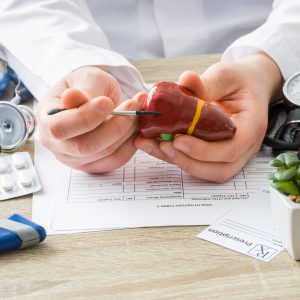
RADIOEMBOLIZATION
HOW IT WORKS: Tiny radioactive beads are delivered into the liver’s blood vessels to target tumors.
WHAT IT IS USED FOR: Treats liver cancer or tumors that cannot be removed surgically.
WHAT TO EXPECT: Outpatient or short hospital stay; mild fatigue and nausea may occur.

SELECTIVE INTERNAL RADIATION THERAPY (SIRT)
HOW IT WORKS: Radiation is delivered directly to liver tumors via microspheres.
WHAT IT IS USED FOR: Controls tumor growth and relieves symptoms in liver cancer.
WHAT TO EXPECT: Catheter-based procedure; recovery is quick with possible mild side effects.
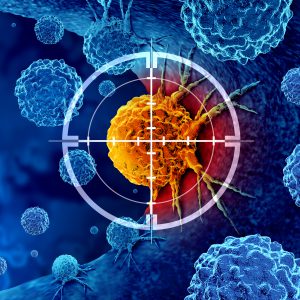
TRANS-ARTERIAL EMBOLIATION (TAE)
HOW IT WORKS: Blocks blood supply to the tumor, causing it to shrink.
WHAT IT IS USED FOR: Treats liver tumors when surgery isn’t an option.
WHAT TO EXPECT: Performed under sedation; you may feel tired or have mild pain afterward.
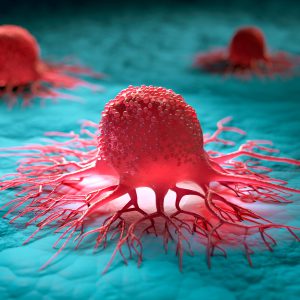
TUMOR ABLATION
HOW IT WORKS: Heat, cold, or chemicals destroy cancer cells directly in the tumor.
WHAT IT IS USED FOR: Small tumors in the liver or other organs.
WHAT TO EXPECT: Minimally invasive; short recovery with possible soreness at the site.
TUMOR EMBOLIZATION
HOW IT WORKS: Uses Yttrium-90 radioactive beads to block blood flow and deliver radiation.
WHAT IT IS USED FOR: Treats liver tumors that cannot be removed surgically.
WHAT TO EXPECT: Outpatient procedure; mild fatigue and flu-like symptoms may occur.